
(Restorative) Resource Library
Hand-picked, curated resources for you!
Whether you’re a young person, you work in schools, facilitate group process, organize in your community, or are simply interested in digging deeper into the field, you’ll find helpful resources, articles, videos, podcasts, and more below
Restorative Schools
-
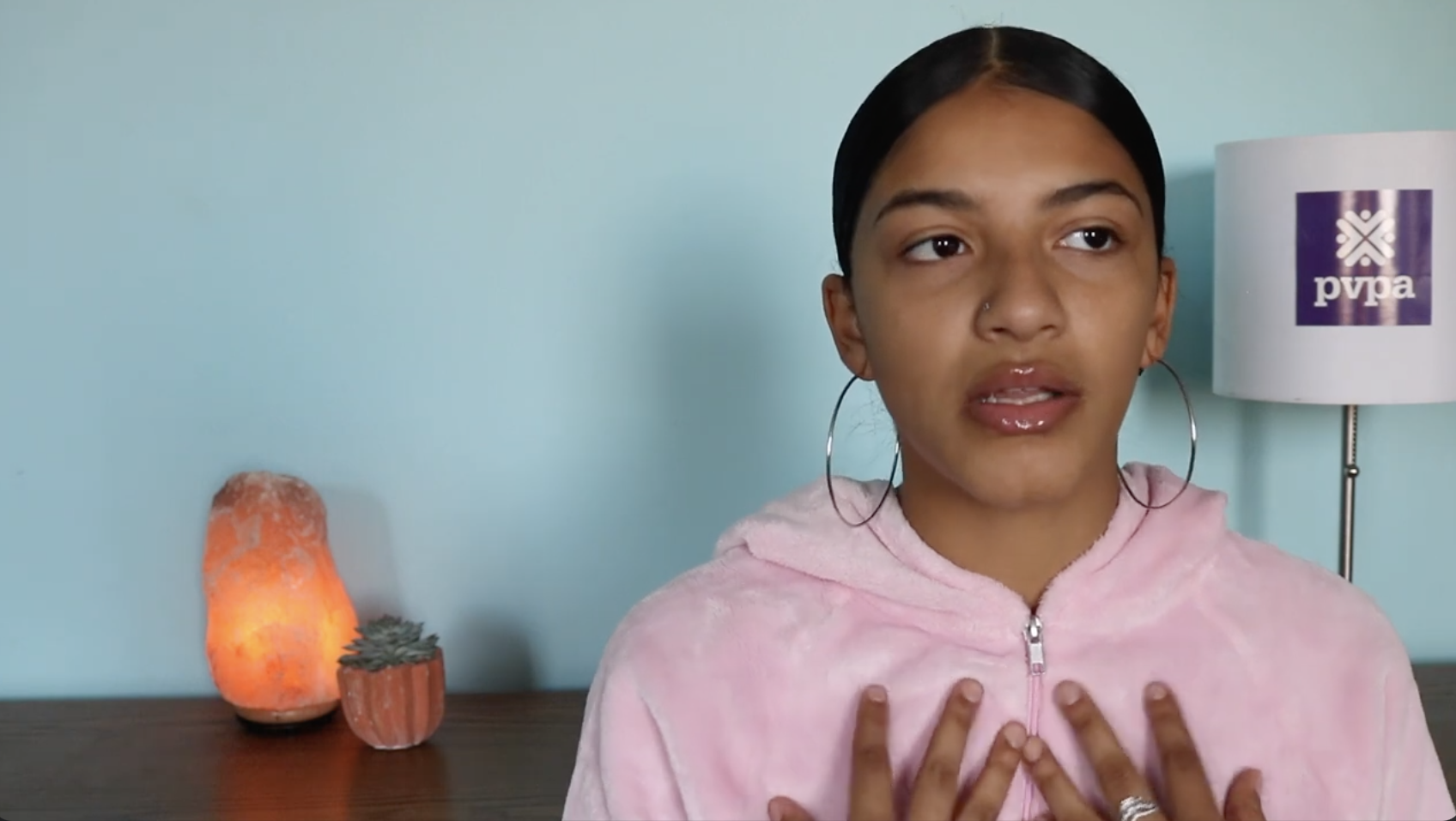
Documentary (5 mins)
Hear from students about what Restorative Justice means to them and how it shapes school culture and orientation to conflict in this student-created documentary from the Pioneer Valley Preforming Arts school in South Hadley, MA (2019).
-
Article | Interview
“Restorative justice is not a program. It’s a paradigm. It’s actually a very radical paradigm shift. If you really look at it, what you’re asking schools to do when they implement RJ is reject what American society says about how we hold people accountable for harm and do something completely different. That is a huge ask.”
-
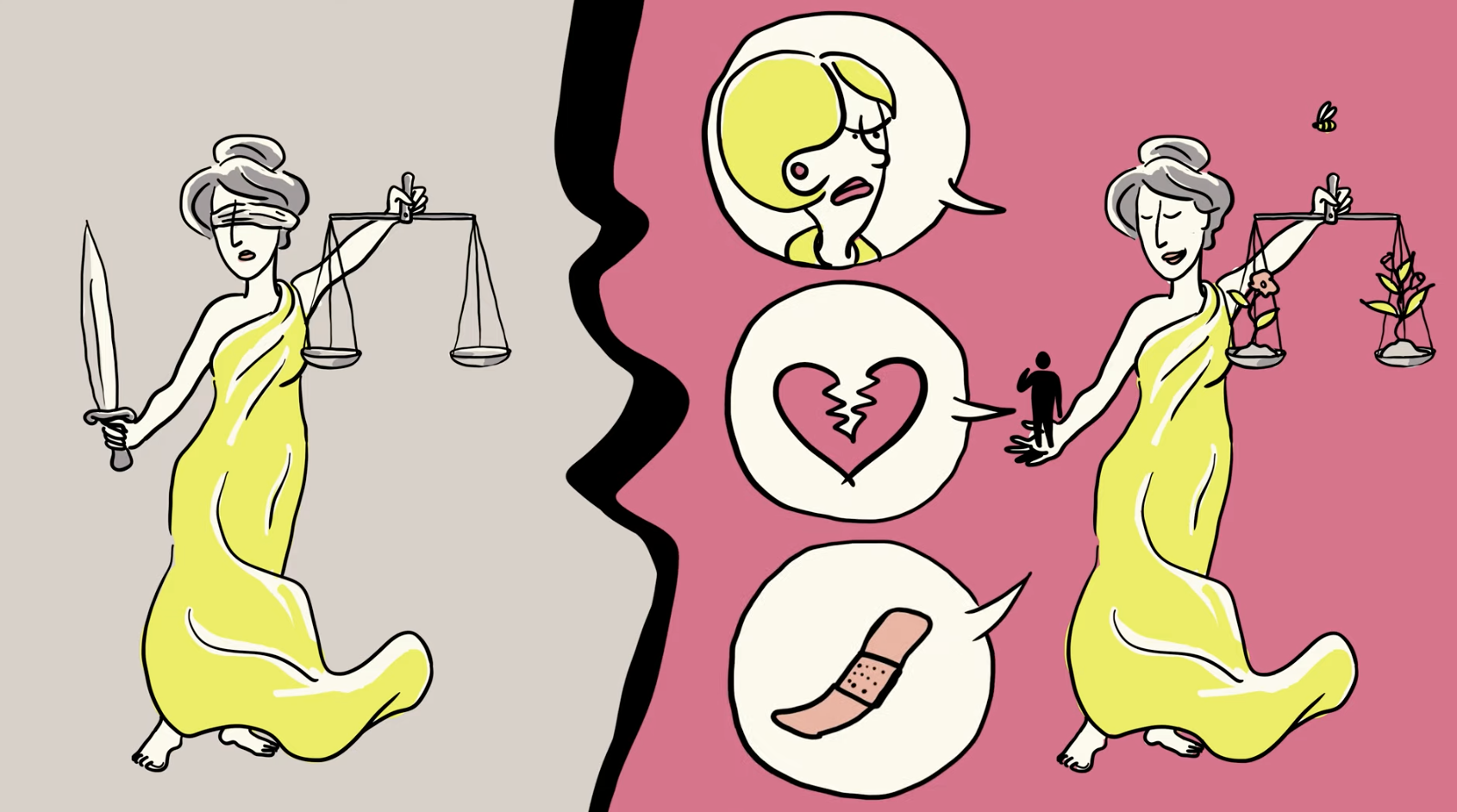
Animation (3.5 mins)
Can justice heal? Restorative Justice is an upstream approach that strengthens the social fabric of a community by responding to harmful behaviors by asking “who was impacted” and “what can be done to make things right”. This animated short illustrates how a different future is possible when we challenge traditional punitive mindsets.
“Consonant with African and other indigenous communitarian values, restorative justice is profoundly relational and emphasizes bringing together everyone affected by wrongdoing to address needs and responsibilities and to heal the harm to relationships and community, to the degree possible. While often mistakenly considered only a reactive response to harm, restorative justice is also a proactive relational strategy to create a culture of connectivity where all members of a community thrive and feel valued.”
— Fania Davis, The Little Book Of Race and Restorative Justice
BOOKS | Studies
Discipline Over Punishment: Successes and Struggles with RJ in Schools
An exploration of the transformative potential of restorative discipline practices in schools, ranging from the micro-level of one-on-one interactions with students to the macro-level of re-routing the school-to-prison pipeline and improving life outcomes for young people. Written by Trevor Gardner.
Little Book of Youth Engagement in Restorative Justice: Intergenerational Partnerships for Just and Equitable Schools
The purpose of this book is to illuminate a theory of youth engagement in restorative justice that seeks to create systems change for more equitable schools. The authors define youth engagement in restorative justice as partnering with young people most impacted by structural injustice as changemakers in all aspects of restorative practices including community building, healing, and the transformation of institutions.
Can Restorative Practices Improve School Climate and Curb Suspensions? An Evaluation of the Impact of Restorative Practices in a Mid-Sized Urban School District
This study of the implementation of restorative practices in the Pittsburgh Public Schools district (PPS) in school years 2015–16 and 2016–17 represents one of the first randomized controlled trials of the effects of restorative practices on classroom and school climates and suspension rates.
-
(Transformative Justice) In this collection, a diverse group of authors focuses on concrete and practical forms of redress and accountability, assessing existing practices and marking paths forward. They use a variety of forms—from toolkits to personal essays—to delve deeply into the “how to” of transformative justice, providing alternatives to calling the police, ways to support people having mental health crises, stories of community-based murder investigations, and much more. At the same time, they document the history of this radical movement, creating space for long-time organizers to reflect on victories, struggles, mistakes, and transformations. Pick up a copy here!
-
"Hope and Healing in Urban Education proposes a new movement of healing justice to repair the damage done by the erosion of hope resulting from structural violence in urban communities. Drawing on ethnographic case studies from around the country, this book chronicles how teacher activists employ healing strategies in stressed schools and community organizations, and work to reverse negative impacts on academic achievement and civic engagement, supporting their students to become powerful civic actors. The book argues that healing a community is a form of political action, and emphasizes the need to place healing and hope at the center of our educational and political strategies. At once a bold, revealing, and nuanced look at troubled urban communities as well as the teacher activists and community members working to reverse the damage done by generations of oppression, Hope and Healing in Urban Education examines how social change can be enacted from within to restore a sense of hope to besieged communities and counteract the effects of poverty, violence, and hopelessness.” Pick up a copy here!
-
In today's schools, fostering genuine connection and addressing conflict effectively can feel like an uphill battle. Restorative Practices That Heal School Communities provides a roadmap to a transformative solution, distilled from the practical experience of educators who have witnessed the profound impact of these approaches firsthand.
In this engaging book, the authors guide readers through the critical self-reflection and collaborative mindset needed to foster a culture of trust and belonging. Introducing restorative practices, the authors reveal a robust framework with an array of thoughtful strategies that can build community around shared values, proactively address conflict, and compassionately repair harm. Buy the book here!
Curriculum | GUIDES
R E S T O R A T I V E
P R A C T I C E S
IN THE CLASSROOM
As Restorative Practices become a more fundamental and integrated aspect of your school culture, it must also become a part of the way teachers interact with students and manage their classrooms. While Peace Circles and Peer Conferences require trained facilitation, there are things all teachers can do to build restorative environments in their classrooms and help students practice the skills they need to participate meaningfully in both Restorative Practices and academic instruction. From Chicago Public Schools.
Reframing School Discipline
A STRATEGIC COMMUNICATIONS PLAYBOOK
How can advocates for more effective, more equitable approaches to school discipline talk about this issue in a way that deepens understanding, attracts new allies, and builds a larger constituency for meaningful change?
This strategic messaging playbook offers guidance. It outlines 12 evidence-based framing strategies that communicators in the education, justice, and civil rights sectors can use to challenge exclusionary discipline policies, build support for reducing racial disparities in disciplinary outcomes, and cultivate awareness of alternative approaches such as restorative justice and trauma-informed schools.
Youth Empowerment
A Youth Restorative Practices Guide
In the midst of historic public health and political crises, three rising seniors at Pioneer Valley Performing Arts (South Hadley, MA) were given an opportunity to do something for their community. Created in May and June of 2020—socially-distanced in our respective homes across western Massachusetts—this booklet is a culmination of our efforts to expand access to Restorative Practices for youth and adults alike. We hope that this resource helps spur youth empowerment in a post-COVID-19 world, no matter how far into the future that may be.
VIDEOS | podcasts
-
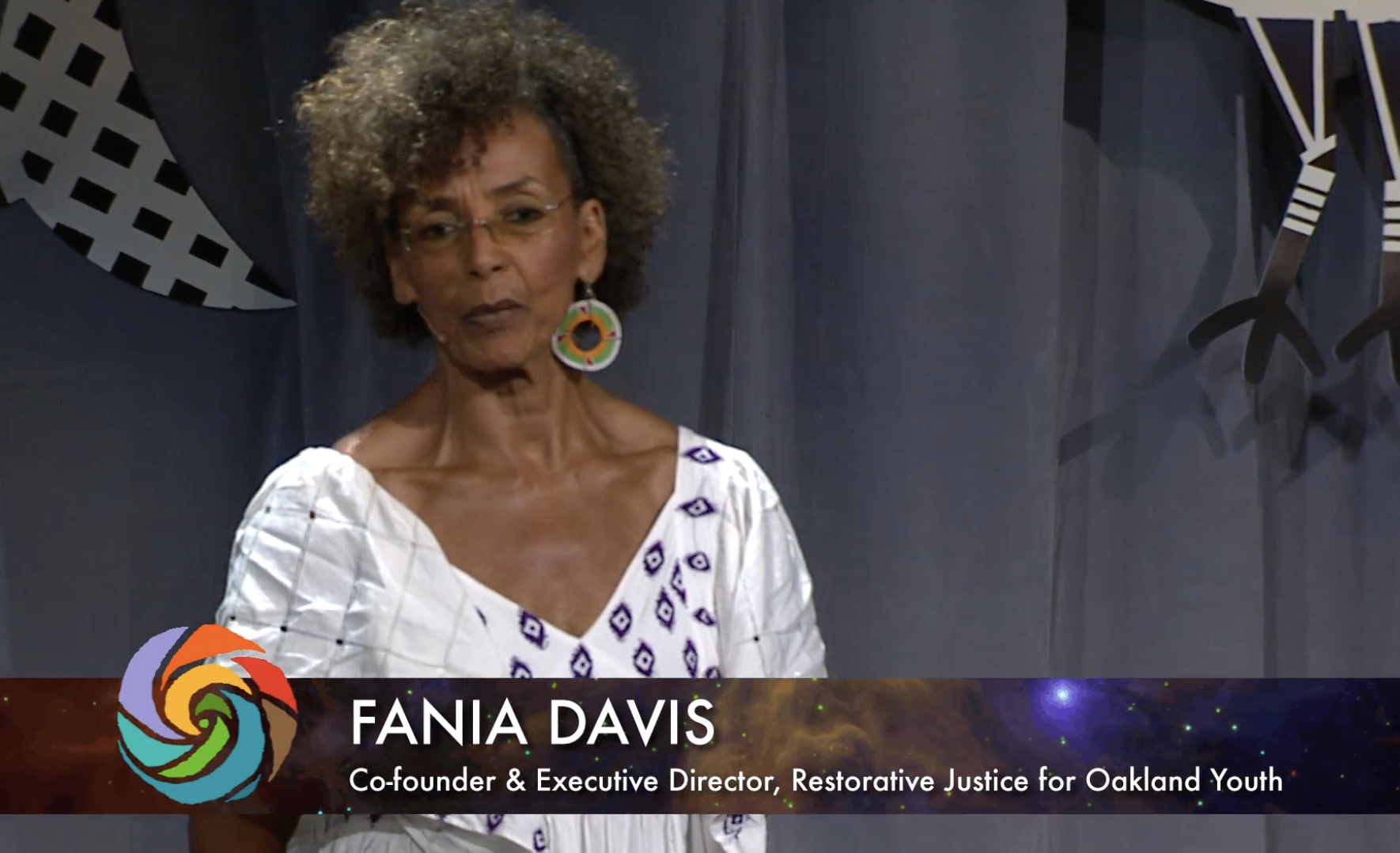
Restorative Justice’s Promise (24 mins)
Drawing on her lifetime of social justice activism, Fania Davis depicts the essence of Restorative Justice, an emerging approach that seeks to move us from an ethic of separation, domination and extreme individualism to one of collaboration, partnership and interrelatedness. Rooted in Indigenous views of justice and healing, this rapidly expanding global movement invites us to make a radical shift from either-or, right-wrong, and us-versus-them ways of thinking. It seeks to midwife an evolutionary shift beyond domination, discord and devastation toward healing, wholeness and holiness with one another and all creation. Introduction by Cameron Simmons and Leanna Hudson of Restorative Justice for Oakland Youth.
-
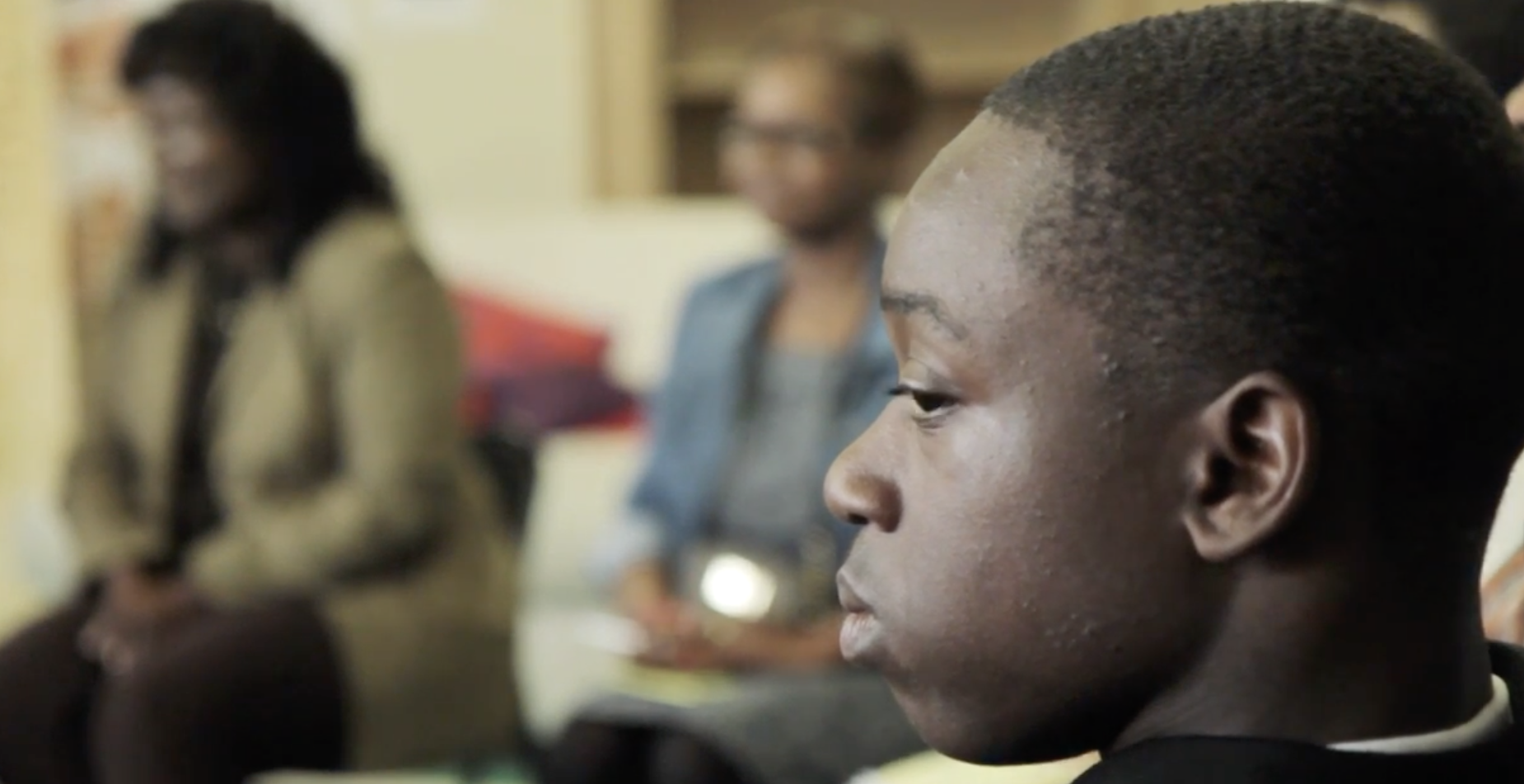
Restorative Re-entry Circle (14 mins)
Filmed at Bunche High School, this video is a collaboration between Oakland Unified School District and Restorative Justice for Oakland Youth.
The video combines footage from the circle with interviews of the re-entering student and the circle facilitator and provides a powerful inside look at how Circles create space for centering the dignity and humanity of participants.
-
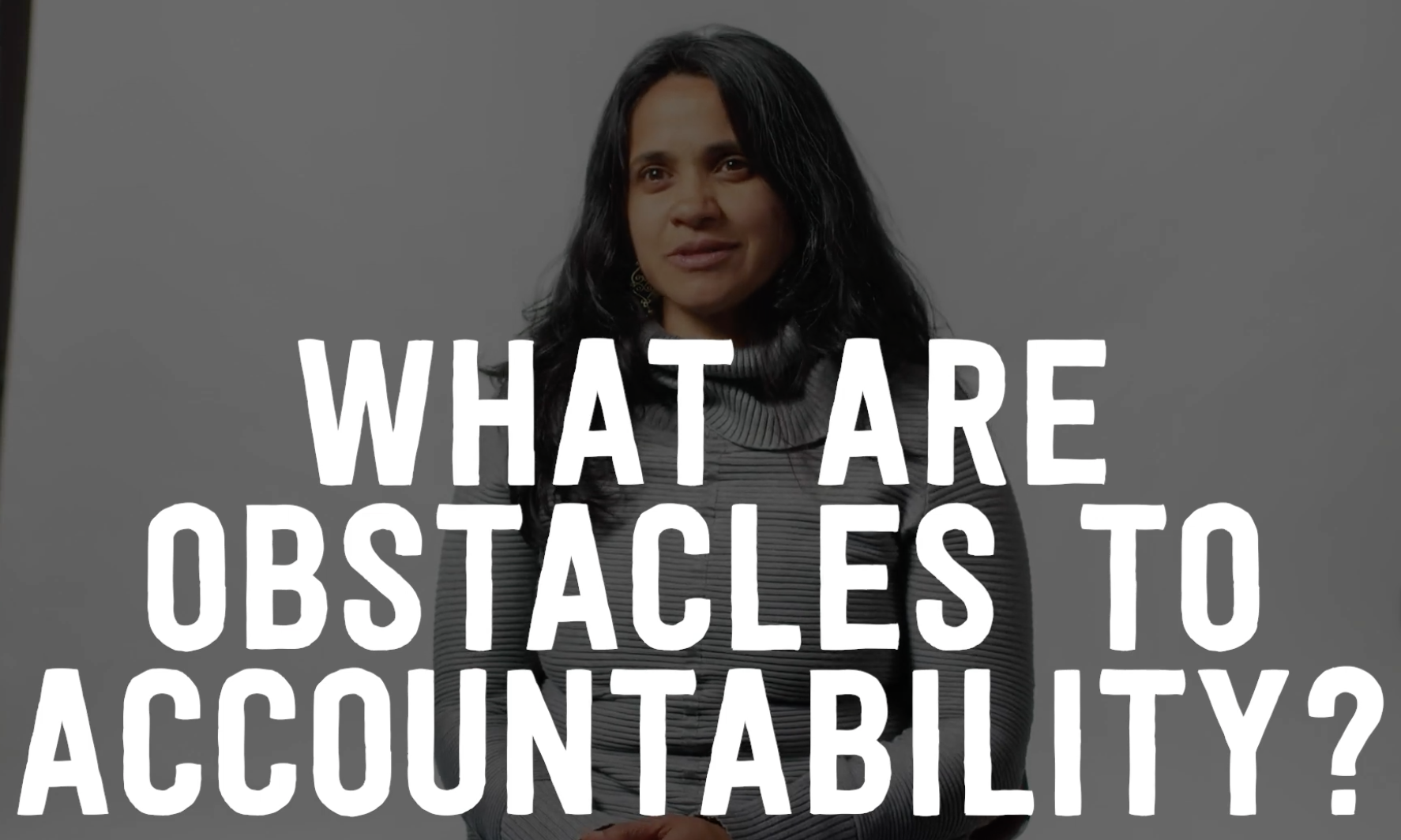
Obstacles to Accountability (11 mins)
In this video, people with years of experience facilitating transformative, restorative, and community accountability processes between survivors of harm and people who have done harm talk frankly about what gets in the way of accountability. This video is part of the Building Accountable Communities video series.
The Building Accountable Communities Project promotes non-punitive responses to harm by developing resources for transformative justice practitioners and organizing convenings and workshops that educate the public. Created by Project Nia and the Barnard Center for Research on Women. Video produced by Mariame Kaba, Dean Spade, and Hope Dector.